我們為什麼這樣做
Why we do it this way
我們都有一個心裡的實際,自己一個人看,常常看不清楚。
Each of us carries a reality within us, and when we look at it alone, we often cannot see it clearly.
所以我們先把它記下來,讓自己有機會停在那裡,認一認自己現在在哪裡。
So we first write it down, giving ourselves a chance to pause and notice where we really are.
然後我們把它帶回四人五腳,在同伴的聆聽、提問與分享中,一起探索。
Then we bring it back to our group of four (四人五腳, “four people, five legs”), and explore it through listening, asking questions, and sharing.
我們不在外面定義彼此,每個人為自己的實際負責,同伴陪著一起看。
We do not define one another from the outside; each of us takes responsibility for our own reality, and companions walk alongside us as we look.
我們的故事怎麼走
How our story unfolds- 事件:今天發生了什麼The event: what happened today
- 字與定義:我心裡的那個字,我為它下的定義The word and its definition: the word in my heart, and how I define it
- 我的需要與失去:我真正需要什麼,又失去了什麼My need and my loss: what I truly need, and what I have lost
- 我願意負責:我在這件事裡要負責的部分What I am willing to take responsibility for: my part in this
- 離開我以為:回到對方的實際,不靠猜Leaving "I assumed": returning to the other person's reality, without guessing
- 具體的行動:我下一步要做的事A concrete action: the next step I will take
- 我的實際、想像、主次、責任:我現在站在哪裡,什麼是主,什麼是次My reality, imagination, priorities, and responsibility: where I stand now, and what comes first and what comes second
一個真實的例子
A real example
故事裡的這位美術老師是我們自己人。她跟我們一起走過四人五腳,在這裡經歷的,一點一點內化進她的生命。有一天,在她自己的教室裡,她把已經成為她生命的東西,給了她的學生。源頭是 me2us2WE。
The art teacher in this story is one of us. She walked with us in our groups of four, and what she lived here settled deep inside her. One day, in her own classroom, she gave her students what had become hers. The source is me2us2WE.
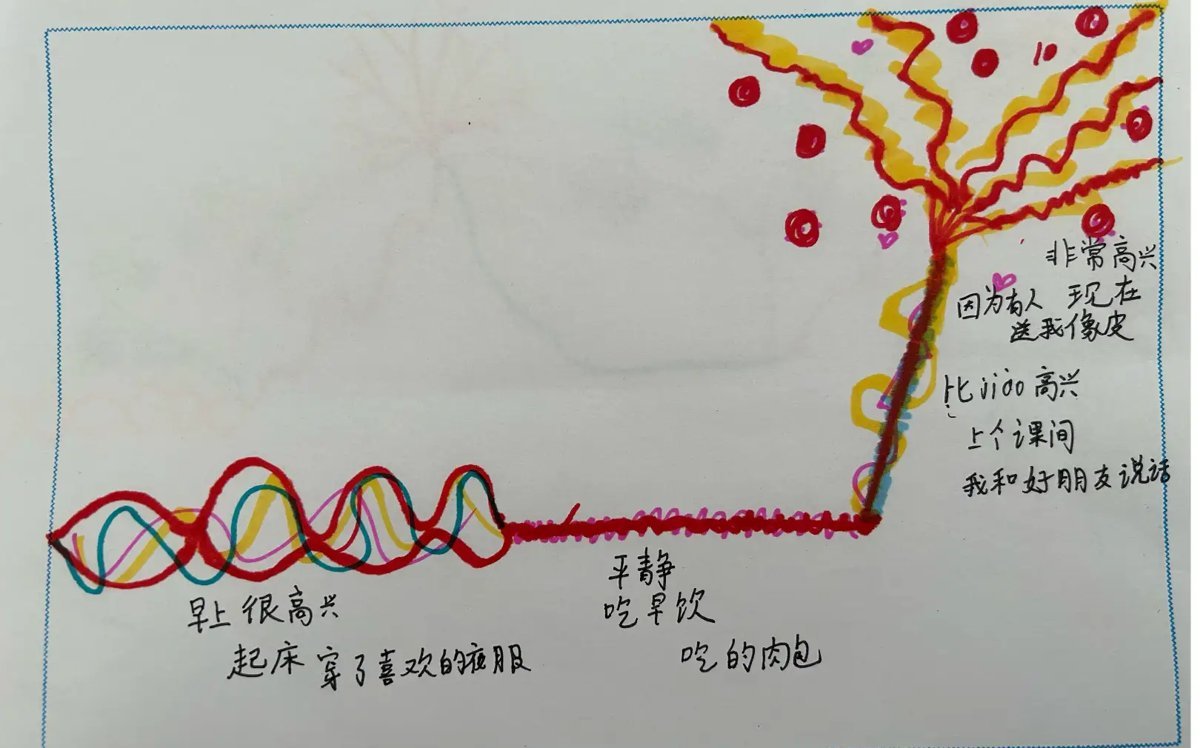
一位美術老師在課堂上,放下原本的教案,邀請學生把一天的心情畫成線條。
In class, an art teacher set aside her lesson plan and invited her students to draw the feelings of their day as lines.
她先讓學生替自己的情緒打分數,說出原因,一起為情緒定義定位。
She first had students rate their feelings, name the reasons, and define and locate each emotion together.
學生一個接一個舉手,連平時最安靜的孩子也想分享。
Students raised their hands one after another, even the quietest ones wanting to share.
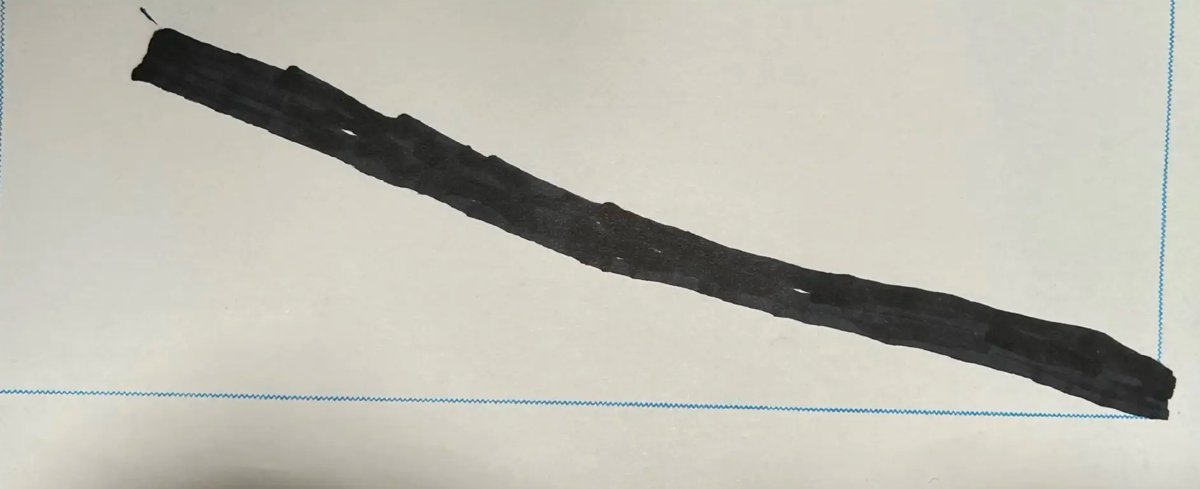
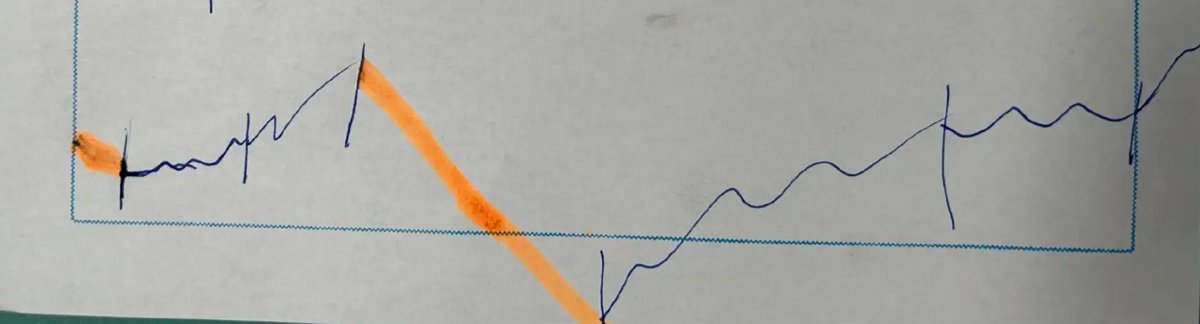
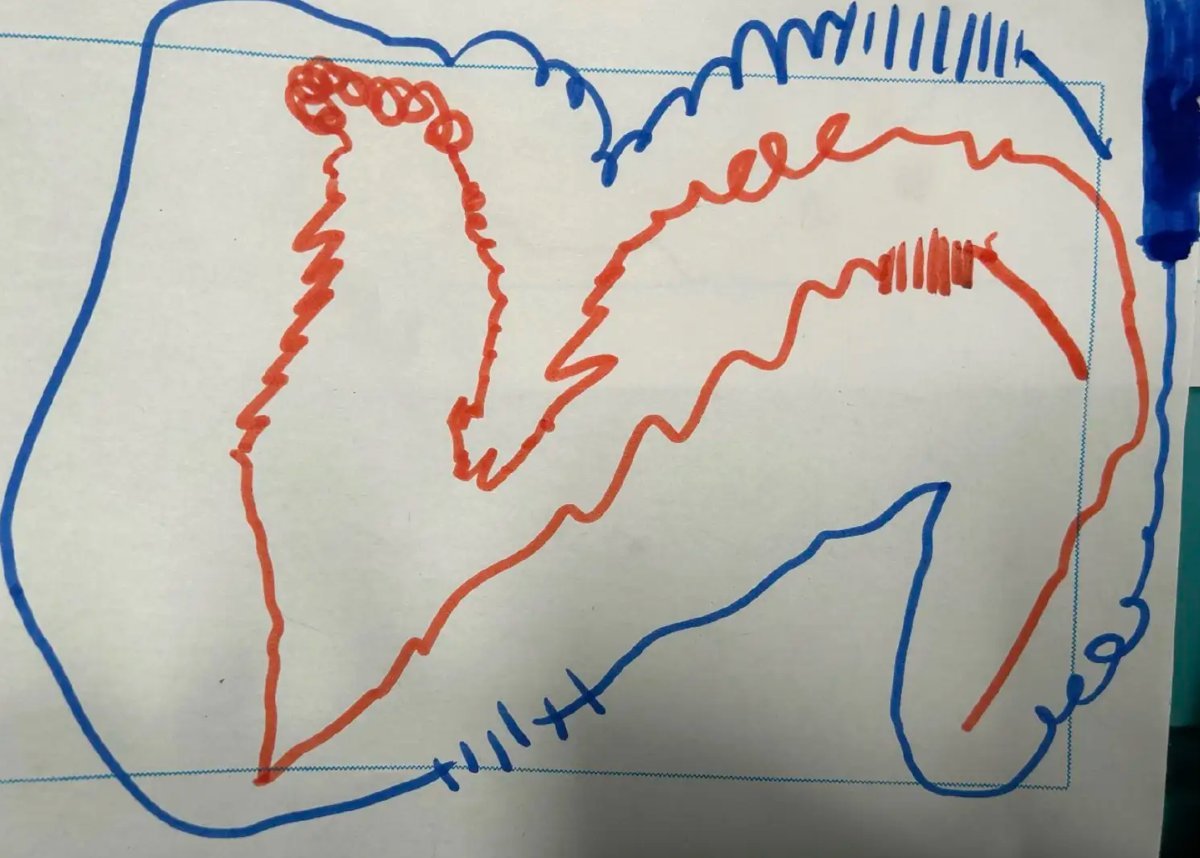
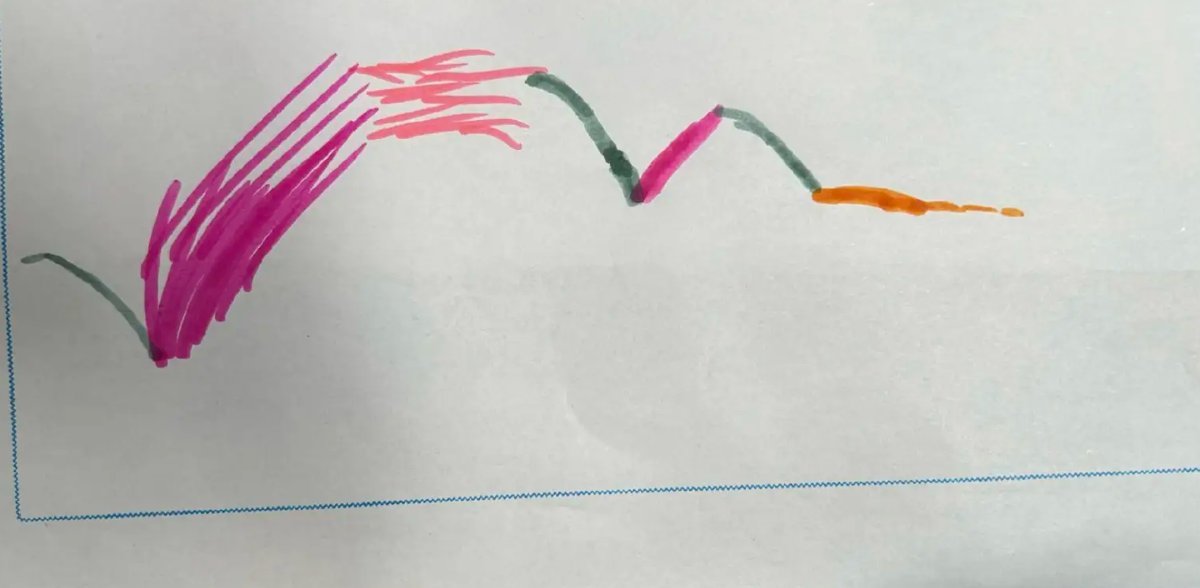
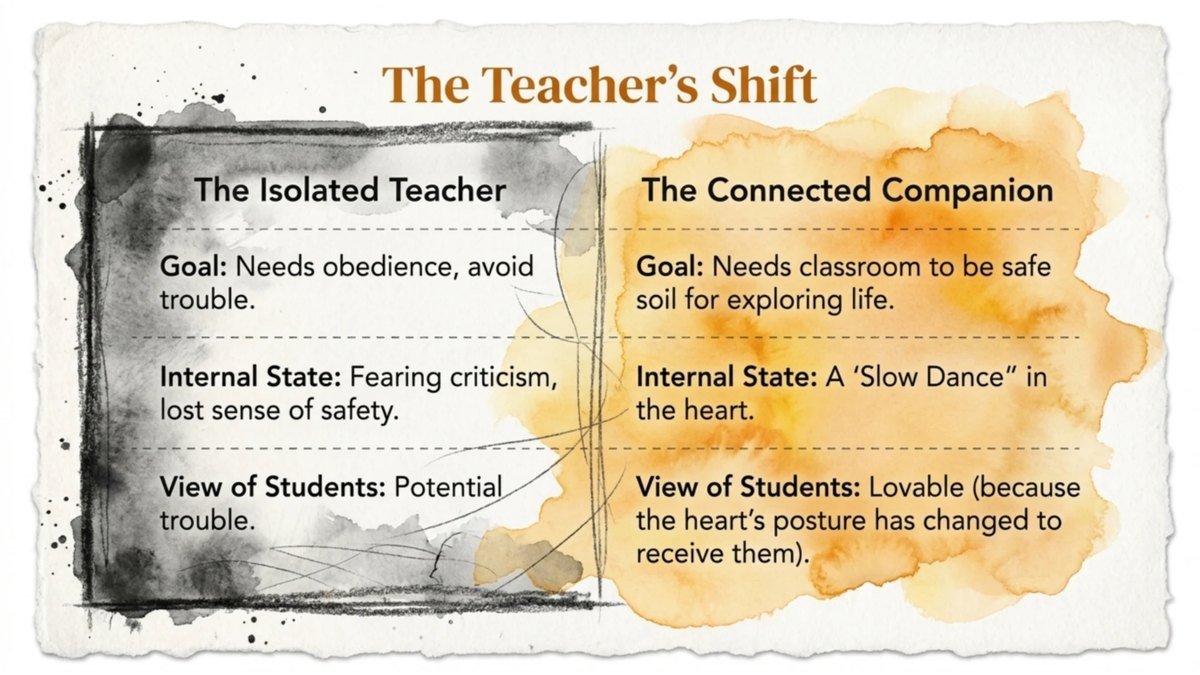
她在自己的記錄裡寫下:以前我需要學生聽話、不要惹麻煩;現在我需要課堂成為探索生命的安全土壤。
In her record she wrote: before, I needed students to obey and not cause trouble; now I need my classroom to be safe soil for exploring life.
她也寫下以前的失去:為了怕被挑毛病,我失去了安全感,也失去了與學生的連結。
She also wrote what she had lost: fearing criticism, I lost my sense of safety and my connection with my students.
四人五腳裡,同伴沒有給她答案,而是一起走進去。
In our group of four, her companions did not hand her answers; they walked in with her.
有人好奇地問:「你的節奏是什麼?如果替它取個名字,會叫什麼?」
One companion asked with curiosity: "What is your rhythm? If you gave it a name, what would it be?"
她想了想,說:「慢舞,因為我心裡一直在慢慢地舞蹈。」
She thought for a moment and said: "Slow dance, because my heart has been dancing slowly."
有人說:「我看見你的心的姿態改變了。」
Another said: "I see that the posture of your heart has changed."
有人說:「聽見你的喜樂,我心裡也有喜樂流動。」
Another said: "Hearing your joy, joy flows in me too."
她自己整理出來:我看見學生可愛,因為我的心的姿態變了,我能夠收到他們的可愛。
She put it together for herself: I see my students as lovable because the posture of my heart has changed, and I am able to receive their lovableness.
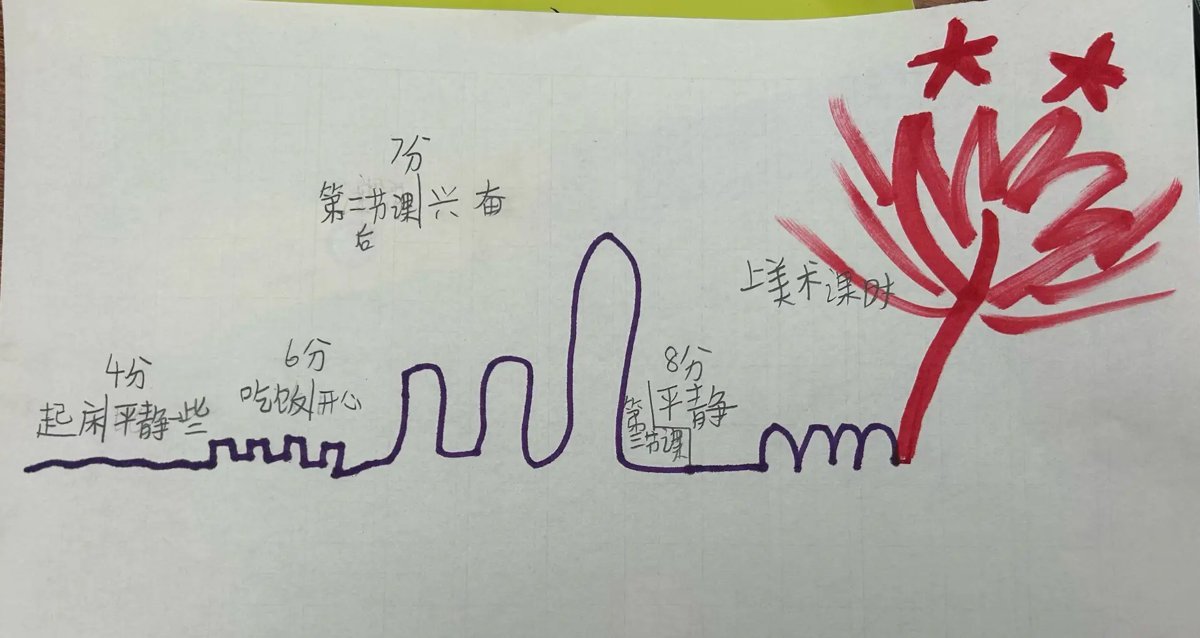
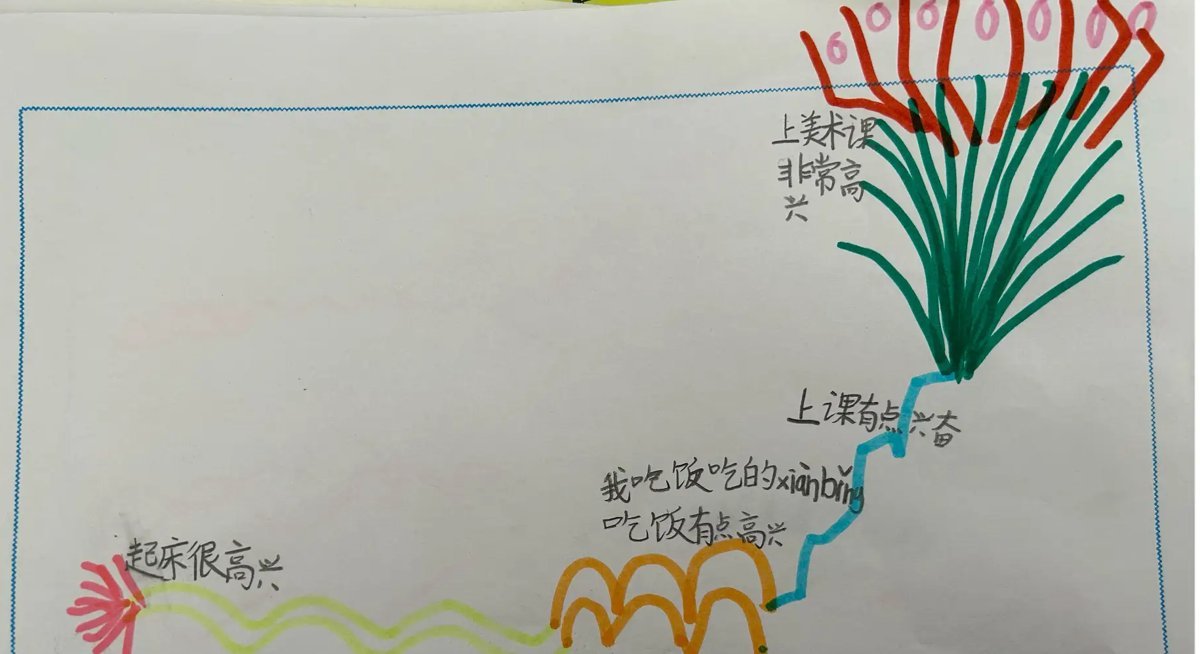
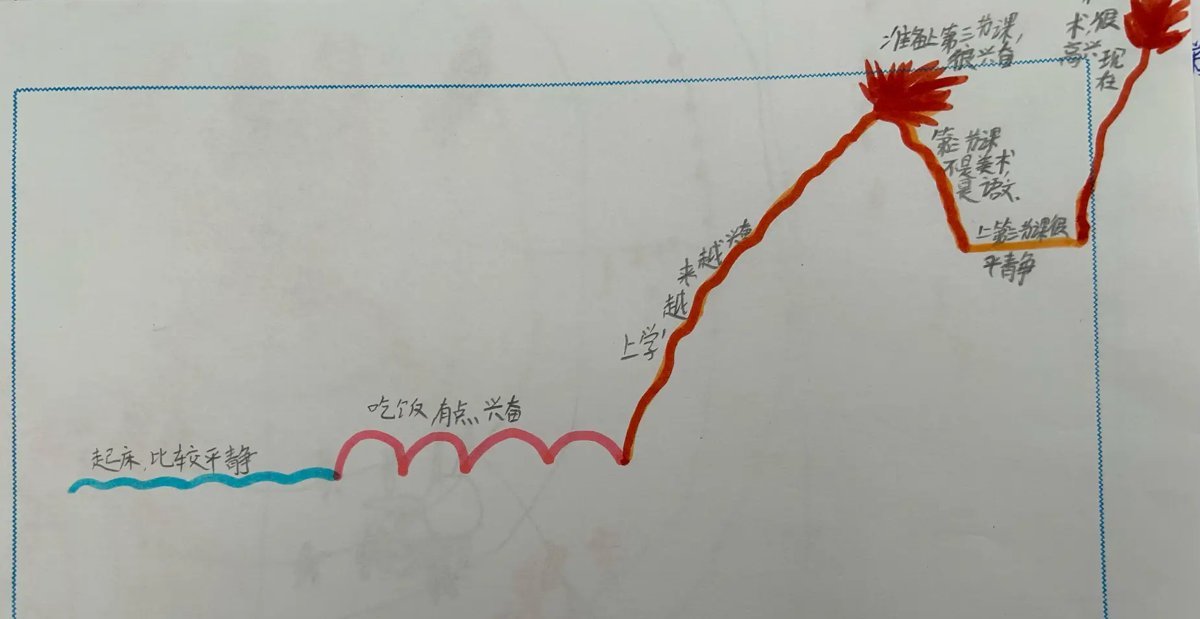
一個人的辨識,加上同伴的探索,她的實際變得清楚,也有了新的名字。
Through her own noticing and her companions' shared exploring, her reality became clearer, and she found a new name for it.
邀請你們分享見證
An invitation to share your testimony
我們想邀請曾經這樣走過的人,分享自己的實際。
We would like to invite those who have walked this way to share their own reality.
你不需要寫得完整,也不需要寫得漂亮,只要寫下真實的那一段。
It does not need to be complete or polished; just write the true part.
可以從這幾個問題開始:
You may begin with these questions:
我把什麼記了下來?
What did I write down?
在四人五腳裡,同伴的哪一句話或哪一個問題,讓我看見自己原本看不見的地方?
In our group of four, which word or question from a companion showed me what I could not see before?
我的字、我的定義、我的需要,後來有什麼不同?
How did my word, my definition, and my need change afterward?
我現在有哪一個新的名字,為自己的實際?
What new name do I now give to my own reality?
請你只分享屬於自己的部分,不寫別人的名字與細節,也不寫可以辨認地點的資料。
Please share only your own part; do not include others' names or details, or anything that could identify a place.
按著自己的步伐,願意的時候帶來,我們一起聆聽。
At your own pace, when you are willing, bring it, and we will listen together.
如果你也這樣走過,想分享自己的實際,請寫信給我們:Me2us2We@gmail.com。
If you have walked this way and would like to share your own reality, please write to us at Me2us2We@gmail.com.
人心懷藏謀略,好像深水,惟明哲人才能汲引出來。
"A plan in the heart of a man is like deep water, But a man of understanding draws it out."
箴言 20:5 · Proverbs 20:5 (NASB)
標語:把實際記下來,帶回我們當中。
Slogan: Write down where I really am. Bring it back to us.
← 回文章列表 · Back to Articles
🌏 為什麼每一句都中英對照?為了保住原汁原味——這是多年痛苦換來的功課。 Why does English sit beside every sentence? To keep the original flavor intact — a lesson bought with years of pain. · 🔎 看到對照有錯?照相、說是哪一段,按這裡寄給我們——頁名和網址已經幫你帶上。 See a mismatch in the pairing? Take a photo, tell us which paragraph, and tap here to send it — the page name and address are already filled in.
🤖 本頁由 AI 協助整理製作,並可能有自我更正。原創日期 2026-10。 This page was produced with AI assistance and may be corrected over time. Originally dated 2026-10.